
Sharing what an E&S practitioner truly learns in the field.
I am an environmental engineer and E&S expert with about ten years of experience, focused on infrastructure projects financed by international lenders. I have led environmental and social impact assessments, managed resettlement and management action plans, prepared and defended files in lender due diligence, and trained teams in the field.
This blog gathers what those years have taught me: methods that hold up, mistakes not to repeat, primary references read with care, a point of view that does not seek to please but to help. It is the resource I would have liked to find at the start of my career.

A decade serving major projects
My missions cover environmental and social management of infrastructure projects under international financing: construction, transport, energy, hydropower, industry. They take place mainly in sub-Saharan Africa and Europe, with particular attention to contexts where customary land issues, community pressures and climate constraints overlap.
I have structured environmental and social management systems, drafted and defended impact assessments during lender review, led resettlement action plans on projects that displaced hundreds of households, supervised construction sites over several years, and trained internal teams and subcontractors on the main international frameworks.
The standards I work with daily are the IFC Performance Standards, the AfDB Operational Safeguards, the World Bank Environmental and Social Framework, the Equator Principles, the ISO 14001 and ISO 45001 standards, and the GRI and TCFD reporting frameworks.
Why I created ESGrip
E&S knowledge remains too concentrated
Operational practice of the major DFI frameworks is learned in a few consultancies and at a few lenders. Juniors, independent consultants, small project owners and local consultancies struggle to access it. ESGrip seeks to make these reference points more widely available.
From normative text to field implementation
The Performance Standards, the Operational Safeguards and the Environmental and Social Standards set a high level of requirement. They define the expected outcomes, without detailing the methods or the trade-offs their day-to-day application involves. I contribute operational experience here, as a complement to these frameworks.
A space for dialogue between E&S experts
ESGrip aims to bring together E&S management experts and practitioners. Peer exchange matters here as much as the published analyses.
What the field shows
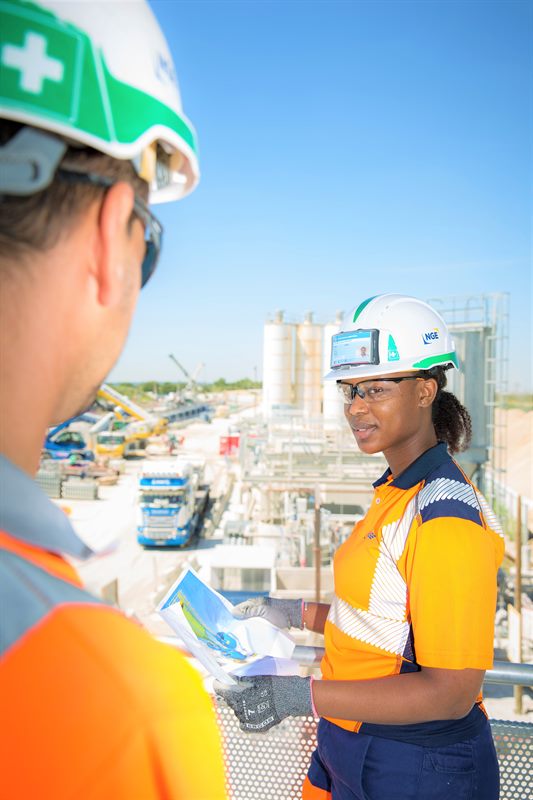
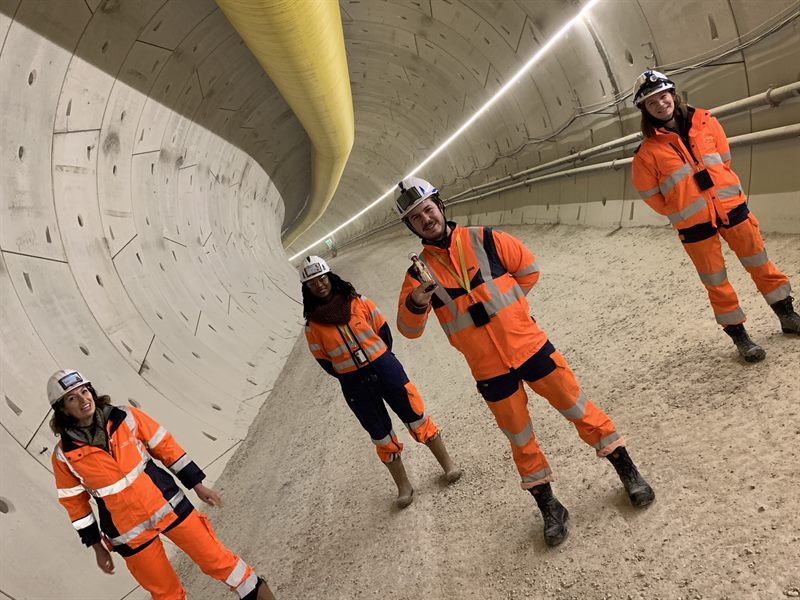
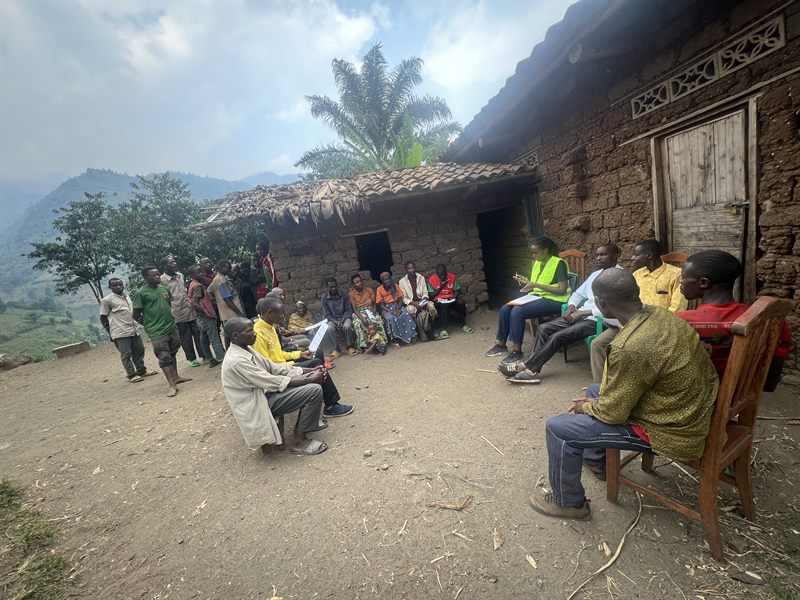
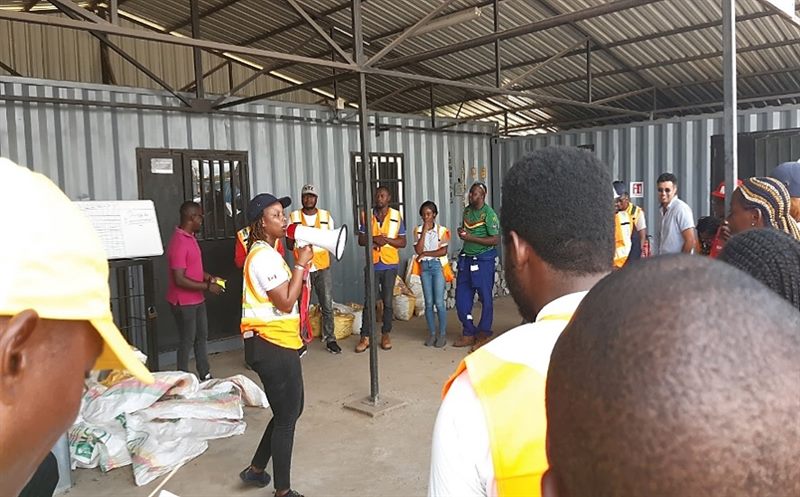
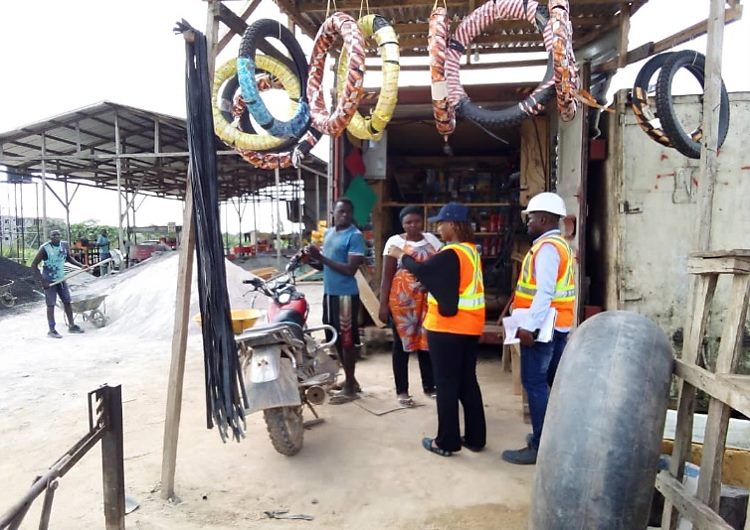
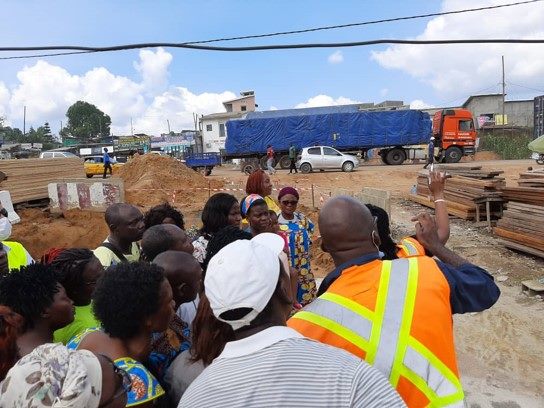
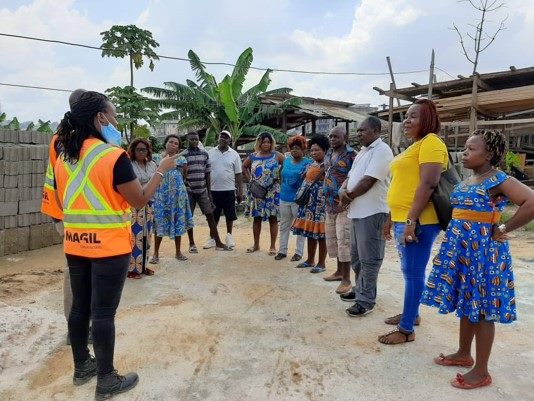
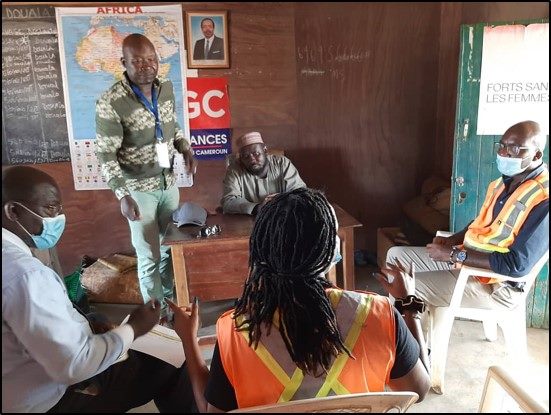
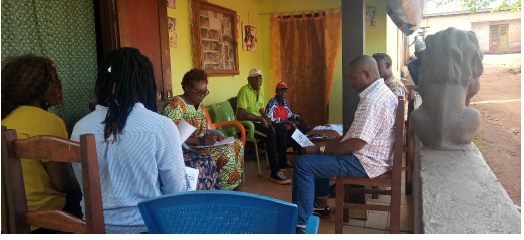
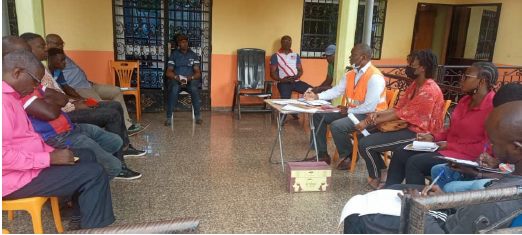
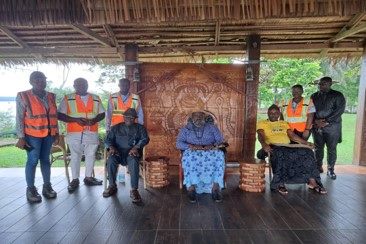
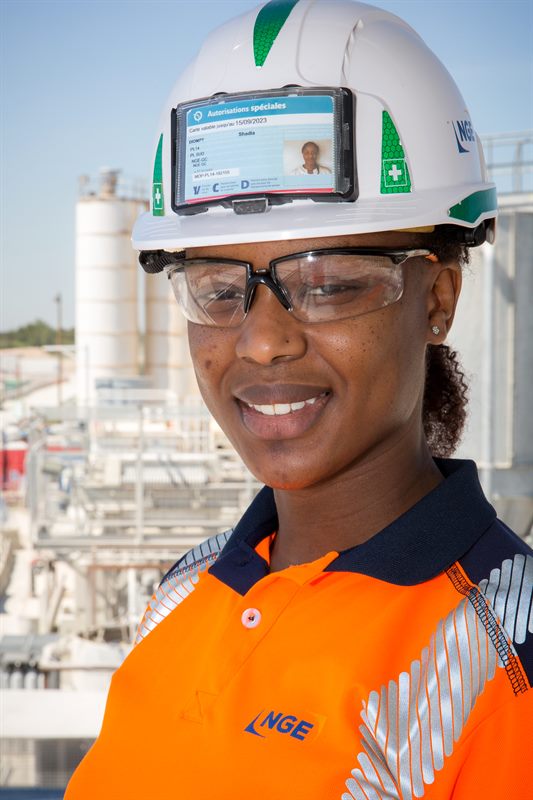
Community consultations, site monitoring, household surveys, toolbox talks at shift start. A few images from the missions behind the analyses published here.
Three principles guiding what I publish
Technical rigor
No assertion without grounding. Each article cites paragraphs of primary frameworks (IFC PS, WB ESS, AfDB OS, ISO, GRI, TCFD) rather than secondary sources.
Field honesty
I say what does not work, what gets stuck in audit, what costs dearly when neglected. A project that does not honor its E&S commitments is not a project to defend.
Transmission
Open access and publication in several languages are deliberate choices. The goal is that juniors, small consultancies and local project teams can use these resources without barriers.
Recognized qualifications
- GRI Certified Sustainability ProfessionalGlobal Reporting Initiative, international sustainability reporting standards.
- BREEAM Infrastructure AssessorInternational framework for assessing the environmental performance of infrastructure projects.